

As healthcare professionals, we’ve all experienced that moment at a conference when a colleague asks for our card, only to realize we’ve run out or left them at the office. The traditional paper business card, once a cornerstone of professional networking, is rapidly becoming obsolete in our increasingly digital healthcare ecosystem. This comprehensive guide will equip you with actionable strategies to leverage digital business cards, transforming how you network, connect with patients, and grow your practice in the digital age.
Understanding the Digital Shift in Healthcare Networking
The healthcare industry is experiencing a fundamental transformation in how professionals connect and share information. Digital business cards represent more than just a technological upgrade – they’re a strategic tool for enhancing professional presence, improving patient engagement, and streamlining practice operations. Recent market analysis indicates that the digital business card sector is projected to grow at a 10.01% CAGR through 2032, with healthcare emerging as the second-largest adopter segment.
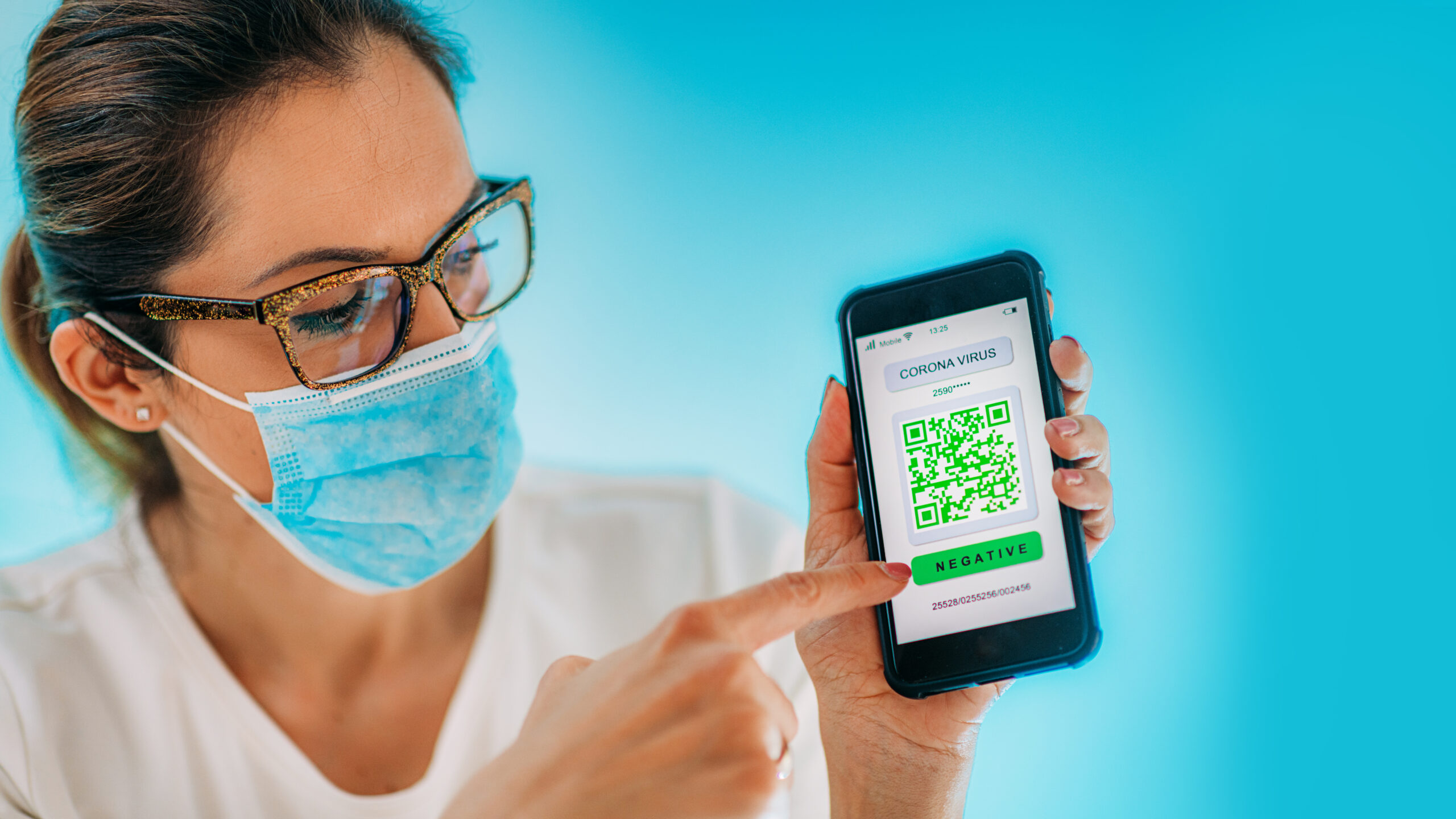
The COVID-19 pandemic accelerated this transition, making contactless interaction not just convenient but essential. Today’s digital cards offer capabilities far beyond simple contact sharing – they integrate appointment scheduling, telehealth links, and even HIPAA-compliant patient education resources. As we explore this technology, we’ll examine how leading healthcare professionals are leveraging these tools to create more efficient, patient-centered practices.
The Technology Behind Digital Business Cards
Modern digital business cards utilize three primary technologies: QR codes, Near Field Communication (NFC), and web-based platforms. QR codes offer universal compatibility, requiring only a smartphone camera to scan and save contact information. NFC technology enables tap-to-share functionality, particularly useful in fast-paced clinical environments. Web-based platforms provide the backend infrastructure for real-time updates and analytics.
What sets healthcare-specific digital cards apart is their compliance architecture. Leading platforms incorporate SOC® Type 2 compliance, HIPAA-aligned security features, and GDPR compatibility for international practitioners. These aren’t just digital versions of paper cards – they’re comprehensive professional profiles that can include medical licenses, board certifications, publication links, and secure messaging channels.
Key Benefits for Healthcare Professionals
The advantages of digital business cards extend far beyond convenience. Let’s examine the specific benefits that make them invaluable for modern medical practices:
Enhanced Patient Engagement and Communication
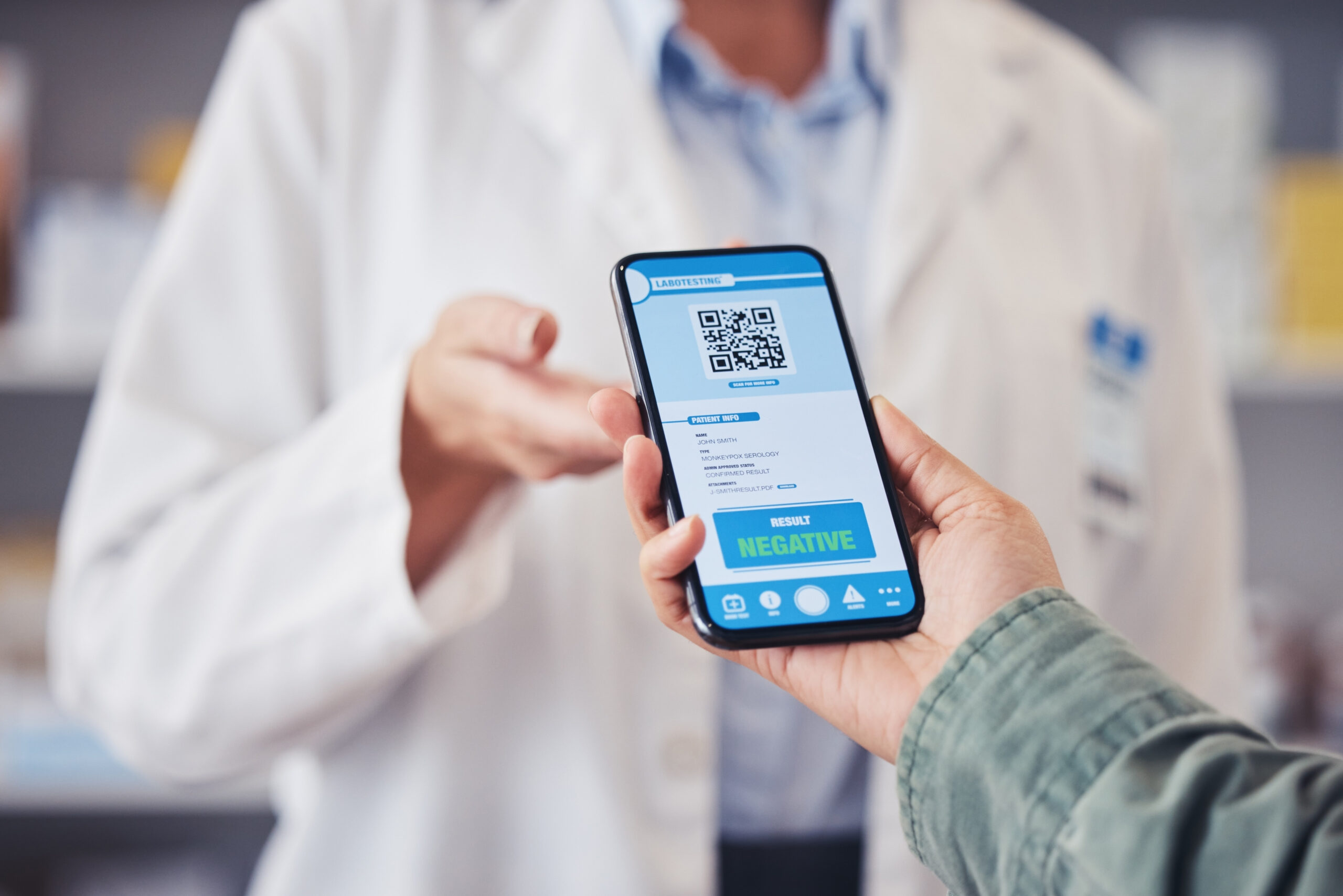
Digital cards revolutionize patient interaction by providing multiple touchpoints through a single scan. Patients can instantly access your telehealth portal, schedule appointments, or connect with your practice’s patient education resources. Studies show a 40% reduction in missed appointments when using digital card-enabled reminder systems, demonstrating tangible improvements in patient compliance and practice efficiency.
The multimedia capabilities of digital cards allow you to embed clinic tour videos, interactive office maps, and even testimonials. This rich content helps new patients feel more comfortable before their first visit, reducing anxiety and improving the overall patient experience. For specialists, you can include procedure explanations or FAQ sections, empowering patients with information while reducing repetitive inquiries to your staff.
Cost Efficiency and Sustainability
Traditional business cards require constant reprinting due to changes in contact information, credentials, or practice affiliations. Digital cards eliminate these recurring costs while providing unlimited distribution potential. The environmental impact is equally significant – by switching to digital, a single practice can save thousands of paper cards annually, aligning with healthcare’s growing focus on sustainability.
From a financial perspective, the ROI extends beyond direct savings. Digital cards can track engagement metrics, showing which contacts interact with your information and how. This data enables more targeted follow-up and relationship building, ultimately contributing to practice growth and referral generation.
Real-Time Updates and Information Accuracy
One of the most powerful features of digital business cards is the ability to update information instantly across all shared contacts. Changed your office location? Added a new certification? Updated your telehealth hours? These changes reflect immediately for anyone who has saved your digital card, ensuring patients and colleagues always have current information.
This dynamic updating capability is particularly valuable for healthcare professionals who work across multiple locations or have varying schedules. You can even set different information displays based on context – showing appointment booking links to patients while displaying research interests and collaboration opportunities to fellow professionals.
Implementation Strategies for Your Practice
Successfully integrating digital business cards into your practice requires strategic planning and execution. Here’s a comprehensive approach to implementation:
Choosing the Right Platform
Not all digital business card platforms are suitable for healthcare use. When evaluating options, prioritize these essential features:
- HIPAA compliance and data encryption standards
- Integration capabilities with your existing practice management system
- Customizable templates that reflect medical professionalism
- Analytics and tracking features for measuring engagement
- Multi-language support for diverse patient populations
- Team management features for practice-wide implementation
Consider platforms that offer hybrid solutions, combining physical NFC-enabled cards with digital capabilities. This approach provides flexibility for different networking scenarios while maintaining the convenience of digital updates.

Content Optimization for Medical Professionals
Your digital business card should balance comprehensive information with ease of navigation. Essential elements include:
- Professional headshot and practice logo for visual recognition
- Medical licenses and board certifications with verification links
- Direct booking links integrated with your scheduling system
- Secure messaging options for patient inquiries
- Educational content relevant to your specialty
- Emergency contact protocols for urgent situations
Remember to optimize your content for mobile viewing, as most recipients will access your card via smartphone. Use clear, scannable sections and avoid overwhelming users with excessive information upfront. Instead, create a hierarchical structure that allows interested parties to dig deeper into specific areas.
Advanced Features and Integration Possibilities
As digital business card technology evolves, new features are emerging that offer unprecedented capabilities for healthcare professionals:
AI-Powered Personalization
Cutting-edge platforms are beginning to incorporate artificial intelligence to customize card content based on the recipient. For instance, when sharing with a potential patient, the card might emphasize patient testimonials and appointment booking. When networking with colleagues, it could highlight research publications and collaboration interests. This AI-driven approach ensures each interaction delivers the most relevant information for relationship building.
Integration with Electronic Health Records
Progressive healthcare systems are exploring digital card integration with EHR systems, allowing secure transfer of basic patient information during referrals. This streamlines the referral process while maintaining HIPAA compliance through encrypted channels. Such integration can reduce referral processing time by up to 90%, significantly improving patient care coordination.
Telemedicine Enhancement
Digital cards serve as perfect gateways to telemedicine services. By embedding direct links to virtual consultation platforms, you remove barriers to care access. Patients can transition from learning about your practice to scheduling a telehealth appointment within seconds. This seamless experience is particularly valuable for follow-up appointments or initial consultations that don’t require physical examination.
Measuring Success and ROI
To justify the investment in digital business card technology, it’s essential to track meaningful metrics that demonstrate value to your practice:
| Metric | Traditional Cards | Digital Cards | Impact |
|---|---|---|---|
| Contact Capture Rate | ~40% | ~85% | 2.1x improvement |
| Information Accuracy | Degrades over time | Always current | 100% accuracy |
| Patient Engagement | Single touchpoint | Multiple channels | 68% prefer digital |
| Cost per Contact | $0.10-0.50 | $0.01-0.05 | 90% reduction |
| Environmental Impact | High paper waste | Zero waste | 100% sustainable |
Beyond these quantitative metrics, consider qualitative improvements such as enhanced professional image, improved patient satisfaction scores, and strengthened referral relationships. Many practices report that digital cards project a modern, tech-savvy image that resonates particularly well with younger patient demographics.
Future Trends and Emerging Technologies
The digital business card landscape continues to evolve rapidly, with several exciting developments on the horizon:
Augmented Reality Integration
Future digital cards may incorporate AR capabilities, allowing recipients to visualize 3D models of medical procedures or virtual office tours. This technology could revolutionize patient education and professional presentations at conferences.
Blockchain Verification
Blockchain technology promises to add an additional layer of credential verification, instantly confirming medical licenses and board certifications across international borders. This could be particularly valuable for telemedicine practitioners serving patients in multiple jurisdictions.
Smart Contract Integration
Automated referral approvals and insurance verifications through smart contracts could streamline administrative processes. Imagine a digital card that not only shares your information but also initiates and tracks the entire referral process automatically.
Best Practices for Digital Card Etiquette
As we transition to digital networking, it’s important to establish professional etiquette standards:
- Always ask permission before sharing your digital card via text or email
- Ensure your card is mobile-optimized and loads quickly
- Keep your information updated, especially office hours and availability
- Include a professional photo that matches your in-person appearance
- Test all links and features regularly to ensure functionality
- Provide alternative contact methods for less tech-savvy recipients
Remember that digital cards complement rather than completely replace traditional networking methods. Having a few physical cards as backup or for formal situations remains advisable.
Security and Compliance Considerations
Healthcare professionals must prioritize security when implementing digital business cards. Key considerations include:
Data encryption should meet or exceed HIPAA standards, with particular attention to any patient-facing features. Ensure your chosen platform undergoes regular security audits and maintains appropriate certifications. When including patient education materials or testimonials, obtain proper consent and anonymize any sensitive information.
Consider implementing role-based access controls if using team features, ensuring staff members can only access and modify appropriate information. Regular training on digital security best practices should accompany any new technology rollout in your practice.
Conclusion: Embracing the Digital Future of Healthcare Networking
Digital business cards represent a fundamental shift in how healthcare professionals connect, communicate, and grow their practices. By embracing this technology, you position yourself at the forefront of healthcare innovation while providing tangible benefits to patients and colleagues alike. The combination of enhanced functionality, cost savings, and improved patient engagement makes digital cards an essential tool for modern medical practices.
I encourage you to start by evaluating your current networking needs and exploring platforms that align with your practice goals. Begin with a pilot program, perhaps starting with yourself or a small team, before rolling out practice-wide. Remember that early adopters in healthcare technology often see the greatest competitive advantages.
As we continue to navigate the digital transformation of healthcare, those who adapt quickly and strategically will thrive. Digital business cards are just one piece of this larger puzzle, but they represent an immediately actionable step toward modernizing your practice.
What aspects of your current networking strategy could benefit most from digital enhancement? How might your patients respond to having instant, always-updated access to your practice information? These questions are worth exploring as you consider implementing digital business cards in your professional toolkit.



